
Ohio Relies on Energy.
We Deliver It Safely.
The energy industry in Ohio plays a vital role in driving economic growth, generating well-paying jobs and actively contributing to local communities. Energy Transfer stands as a critical component of this interconnected system, ensuring its continued significance.
Be the first to know about our commitment to Ohio
Energy Transfer: Committed to Ohio
With company origins dating back to 1886, Energy Transfer has deep roots in Ohio, beginning with the Sun Company’s first oil refinery in Toledo.
- We operate more than 2,300 miles of pipelines and 15 marketing terminals
- We employ approximately 200 employees in the state
Nationwide, Energy Transfer owns and operates more than 125,000 miles of pipeline across 44 states, which have been safely moving petroleum products for decades. In fact, Energy Transfer acquired the former Sunoco Logistics, which has been operating for more than 85 years.
The energy industry in Ohio plays a vital role in driving economic growth, generating well-paying jobs and actively contributing to local communities. Energy Transfer stands as a critical component of this interconnected system, ensuring its continued significance.
Giving Back to the Community
Our positive impacts go beyond moving the energy products we all rely on for modern life – from the energy we use in our vehicles to the natural gas and propane we use to heat our homes to the products that are manufactured using building blocks derived from petroleum, natural gas and natural gas liquids.
Since 2014, Energy Transfer is proud to have contributed nearly $200,000 to community, agricultural, civic and emergency response organizations throughout Ohio.

Ohio Oil and Gas Association (OOGA) Toys for Tots, December 2023
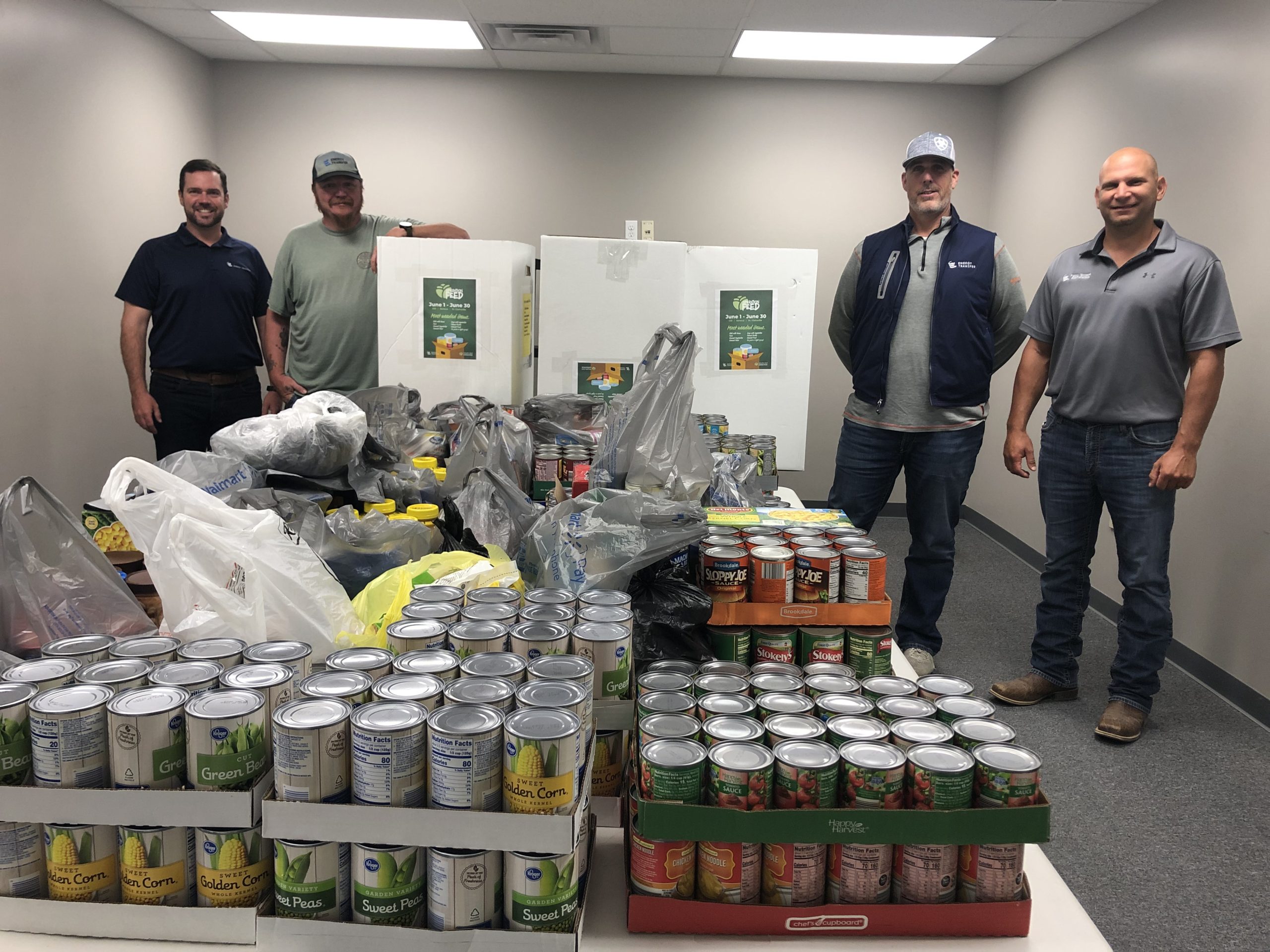
Mid-Ohio Food Collective Food Drive, July 2022
First Responder Training and Support
Building relationships between emergency planners, pipeline operators and first responders is a critical aspect of safe and collaborative pipeline operations. Energy Transfer has awarded more than $1.8 million in grants to emergency response organizations in Pennsylvania, Ohio, West Virginia, Michigan, Delaware and New Jersey through the First Responder Fund.
Established in 2016, the First Responder Fund has helped emergency response organizations enhance rescue capabilities through training; replacing or upgrading rescue equipment, including personal protective equipment and turnout gear; purchasing rescue engines and all-terrain vehicles; upgrading facilities; and more.
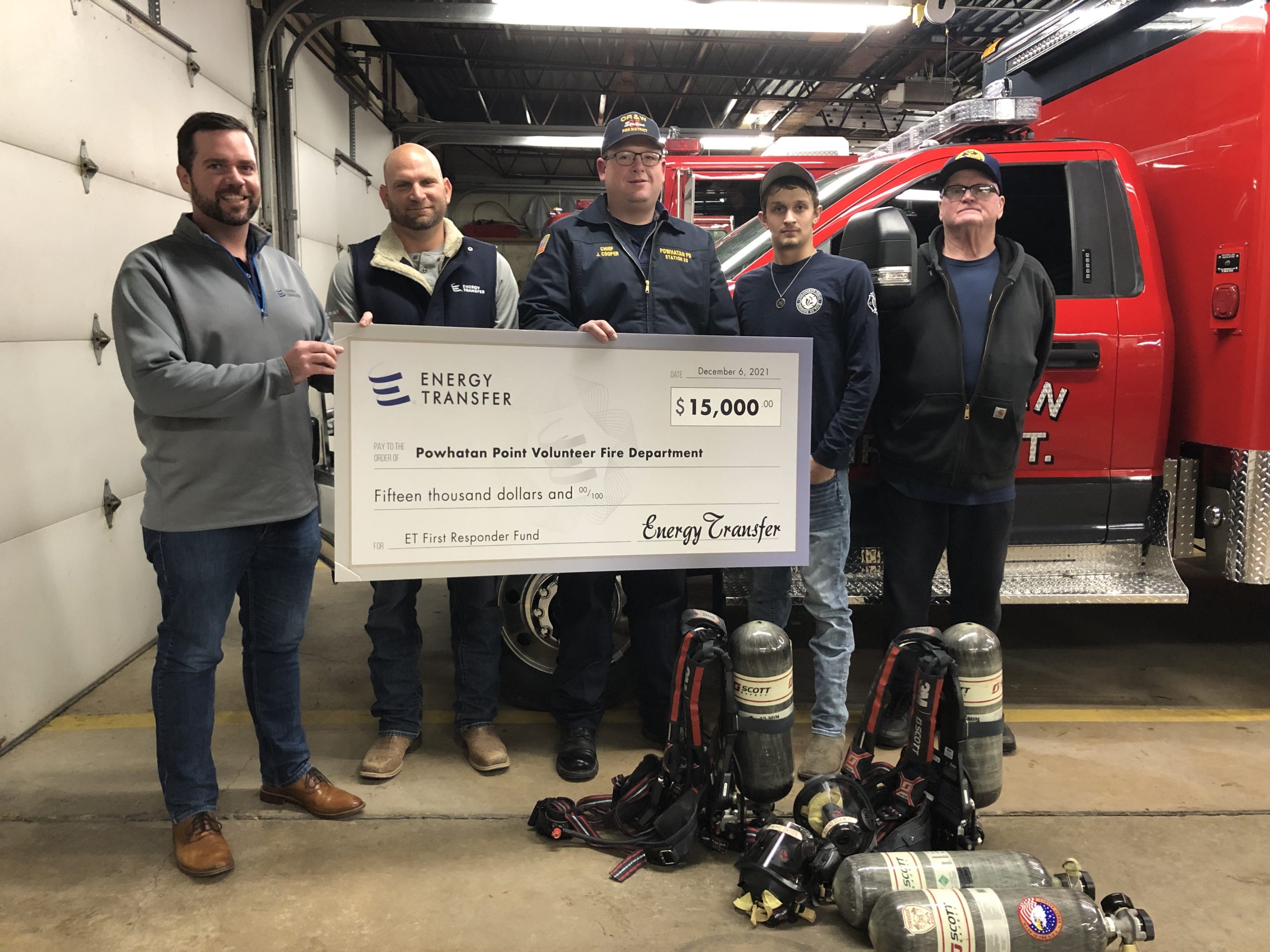
Powhatan Point Volunteer Fire Department, Belmont County, Ohio

Barton Volunteer Fire Department, Belmont County, Ohio
Conserving and Enhancing the Environment
Conservation and energy development go hand-in-hand. From planning and design to restoration and operation, Energy Transfer is committed to ensuring the long-term integrity of the region’s environment. Beyond our work to maintain our pipeline corridors to the highest standard, Energy Transfer partners with conservation organizations to protect and enhance Ohio’s natural resources and wildlife.

Restored right of way in Wayne Township, Harrison County
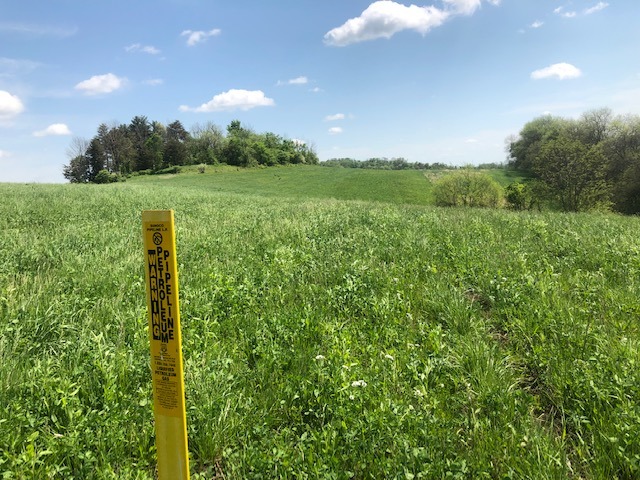
Restored right of way in Wayne Township, Harrison County
Ohio Assets

Rover Pipeline
The Rover Pipeline spans approximately 720 miles and has the capacity to transport 3.4 billion cubic feet per day of domestically produced natural gas from the Marcellus and Utica Shale regions to markets nationwide. The completed project has direct deliveries to Ohio, West Virginia, Michigan and into the Dawn Hub in Ontario, Canada. Energy Transfer is one of the largest shareholders of Rover and operates the pipeline.
Approximately 570 miles of the pipeline are located in Ohio, traversing 18 counties (Ashland, Belmont, Carroll, Crawford, Defiance, Fulton, Hancock, Harrison, Henry, Jefferson, Monroe, Noble, Richland, Seneca, Stark, Tuscarawas, Wayne and Wood). Within those 18 Ohio counties, the pipeline travels through approximately 107 local taxing districts and 41 school districts.
The Rover Pipeline is among the largest taxpayers in Ohio and is either the largest or among the largest ad valorem taxpayers in several of the 18 Ohio counties through which it passes. An ad valorem tax is based on the value of an item – in this case, property value.
Mariner West
Mariner West is a pipeline delivering ethane from the liquid-rich Marcellus Shale processing and fractionation areas in western Pennsylvania to the petrochemical market in Sarnia, Ontario, Canada. Energy Transfer built and completed the Mariner West pipeline in 2013. It connects a processing complex in Houston, Pennsylvania, to a pipeline in Vanport, Pennsylvania, ultimately delivering ethane to Sarnia.
Allegheny Access
Allegheny Access is a pipeline delivering refined products, such as gasoline, diesel fuel, jet fuel and heating oil, from the Midwest to terminals in eastern Ohio and western Pennsylvania. Energy Transfer completed the pipeline project in 2014. Allegheny Access connects to Pennsylvania Access, which brings refined products from the Midwest supply region into Pennsylvania and ultimately the Northeast market.
The Products We Move
Energy Transfer’s diverse assets in Ohio serve to process, store and transport a variety of energy products that we rely on in our everyday lives.
Natural gas is an efficient, reliable and affordable fuel source used to power and heat homes and businesses. According to the American Gas Association, natural gas is used by 3.4 million Ohio households; 268,482 commercial buildings including hospitals, schools and businesses; and 5,800 industrial users.
Natural gas liquids (NGLs) are components of natural gas that are separated from the gaseous state at processing plants. Natural gas liquids, such as ethane, propane and butane, have a multitude of uses for things we depend on in our daily lives. This includes cooking, home heating, refrigeration, vehicle fuel and the production of plastics that are critical to health care and hygiene, including personal protective equipment. For example, propane is the raw material used to make polypropylene, a product used to make surgical masks, gloves, hand sanitizer and wipes, among other items.
Crude oil, also called petroleum, is an unrefined liquid fuel source extracted through drilling.
Refined products are derived from crude oil and include fuels such as heating oil, gasoline, diesel fuel and jet fuel.
Ohio is the 8th-largest consumer of natural gas in the United States, and seven out of 10 homes in Ohio use natural gas as the primary source of heating, according to the U.S. Energy Information Administration.
Public Awareness
We strive to enhance public safety and environmental protection through programs to increase public awareness and knowledge of pipelines. These programs are designed to raise the awareness of the public and other key stakeholders about the presence of our pipelines in your community and to increase the understanding of the important role of pipelines.
Built for Safety and Security
Pipelines are a proven safe mode of transportation for petroleum products that are central to our everyday lives and essential to the U.S. economy.
Energy Transfer is committed to safety at the highest level. The safety of our employees and the community is our highest priority. It is every employee’s responsibility to conduct business in accordance with this mission, and it is management’s commitment to provide the resources, equipment, training and tools to ensure continued improvement.
Safety at the Highest Level
- We rigorously test all pipes, using the most advanced technologies available to analyze a pipeline’s condition and monitor operation in real time.
- Certified controllers monitor the pipeline’s pressure, temperature and flow 24 hours a day, seven days a week from a control center dedicated exclusively to the safe operation of our pipelines.
- Operators can shut down pipeline operations remotely.
- In addition to manual shutdown, we employ automated leak detection and shutdown capabilities for enhanced security.
- We routinely patrol the pipeline route on the ground and by air for any potential hazards, exceeding federal safety regulations in these and other areas.
America’s vast pipeline network stretches more than 2.5 million miles. Every year, pipelines carry billions of gallons of petroleum products — including crude oil, gasoline, diesel and natural gas liquids such as propane — from areas where they are produced to areas where they are processed and ultimately used.
Learn More About: